Unlocking Adventures: How RPG Games Transform Everyday Gaming into Epic Journeys
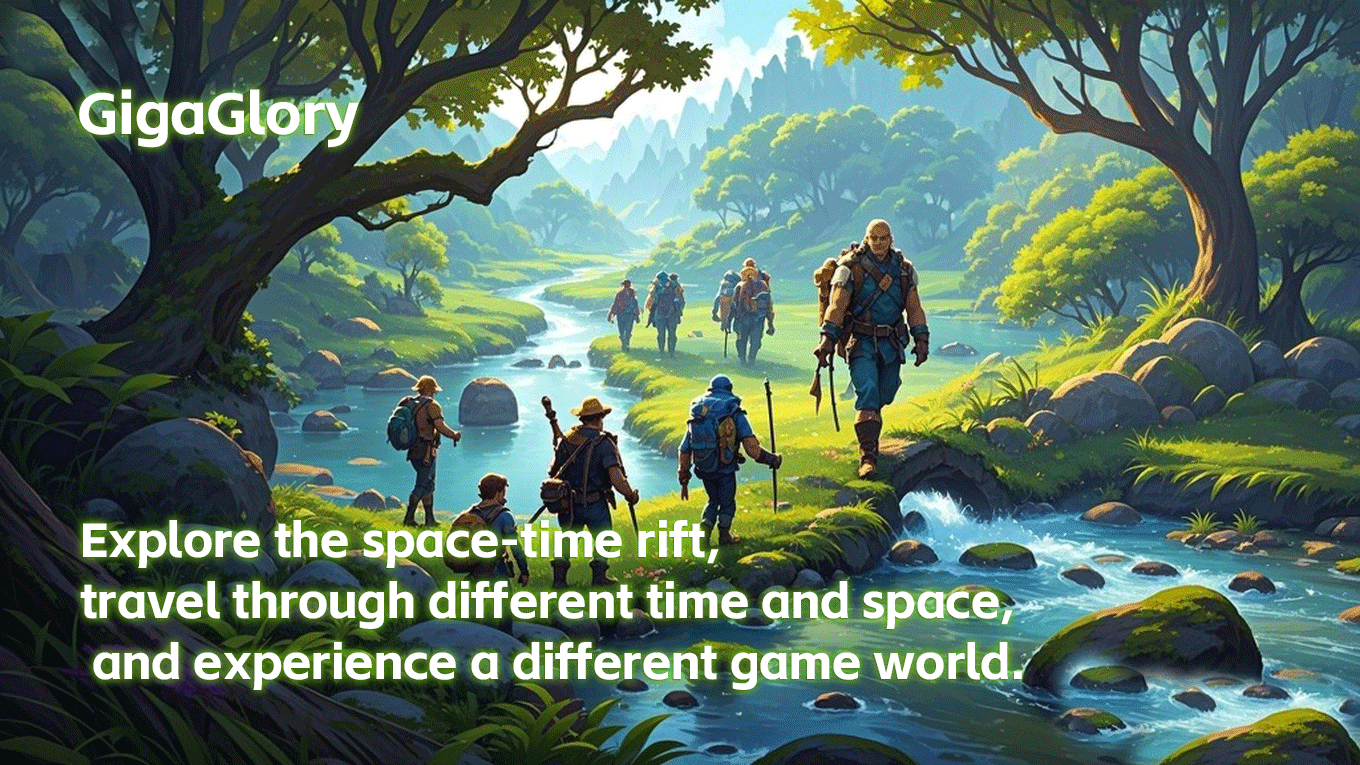
Role-Playing Games, or RPGs, have carved a prominent niche in the gaming universe. Their unique ability to plunge players into fantastical worlds filled with rich narratives and immersive environments lies at the core of their popularity. Everyday gaming, which often gets sidelined for repetitive activities, is fundamentally transformed through RPGs, offering gamers epic adventures at every turn. This article explores how RPGs shift the typical gaming experience into something truly spectacular.
The Evolution of RPG Games
RPG games have a long and storied history, evolving from text-based adventures in the late '70s to the complex, multi-faceted experiences we have today. Notably, franchises like Dungeons & Dragons paved the way for subsequent titles. Today, RPGs offer diverse gameplay styles, transcending traditional boundaries of gaming.
Immersive Worlds Built on Player Choices
What makes RPGs unique is that players are often given the freedom to shape their narratives. Every decision impacts the outcome, leading to a plethora of experiences. Consider games like The Witcher 3 or Skyrim; players wander through vast landscapes, interact with intriguing characters, and engage in quests that feel deeply personal.
Dynamic Character Development
Character development plays a pivotal role in RPG games. Players typically start with a basic character and gradually upgrade skills, abilities, and equipment. The journey of upgrading can be deeply satisfying, as each achievement threads a narrative of growth.
- Experience Points (XP) for leveling up
- Skill trees for specialization
- Customization in appearance and abilities
Epic Storytelling and Narrative Depth
RPGs are particularly known for their storytelling prowess. Players are not just participants in a game; they become part of an expansive universe filled with lore and backstory. The intricate narratives often intertwine with character arcs, creating a rich tapestry of experiences.
| Game Title | Story Theme | Character Depth |
|---|---|---|
| The Elder Scrolls V: Skyrim | Dragonborn’s Fate | Deeply Personalized |
| Final Fantasy VII | Battle against Shinra | Multi-Dimensional |
| Dark Souls | The Cycle of Light and Dark | Cryptic and Engaging |
Enhanced Social Interaction and Community Engagement
RPGs often emphasize social interaction, whether it’s through cooperative gameplay or competitive elements. Games like Final Fantasy XIV have built massive online communities where players collaborate to tackle difficult quests or simply hang out in-game.
The Psychological Impact of RPGs: Adventures Beyond Gaming
Engaging in RPGs can have a psychological benefit, often providing an escape from reality. Players can embody characters who face challenges and triumphs, mirroring real-life struggles in a fantastical setting.
Dauntless Match End Crash: A Case Study
While many RPGs shine brilliantly, not all experiences are flawless. A case in point is the Dauntless Match End Crash issue. Many players have encountered crashes at the end of matches, ruining their immersive experience. Understanding these challenges brings awareness to the technical hurdles game developers face, which ultimately leads to improved gameplay.
Integrating RPG Mechanics in Everyday Gaming
The influence of RPGs is evident even in non-RPG titles. Many games are adopting RPG mechanics such as skill trees, loot systems, and narrative branching. This fusion is pushing the boundaries of how we typically perceive gaming genres.
Lego Star Wars: A Journey Through Gaming
Take, for example, the Lego Star Wars: The Last Jedi Video Game for PS4. While it primarily targets a younger audience, its RPG elements—character customization, story-driven missions, and cooperative gameplay—capture the essence of what keeps the franchise alive. It’s a delightful blend that engages both young gamers and nostalgic adults.
Understanding the Appeal of RPGs
RPGs hold an enduring appeal largely due to the sheer variety they present. The multitude of choices, layered narratives, and social interactions make them distinct. Gamers aren’t merely finding solutions to puzzles; they explore their story and visualize the transformation of worlds and characters.
The Future of RPG Gaming: What's Next?
As we look to the future, it’s apparent that RPGs will continue to innovate. With advancements in technology, we can expect enhanced virtual reality experiences and even more interactive storytelling mechanics. The landscape of gaming is constantly changing, but the foundational elements of role-playing will remain central to this evolution.
Conclusion: Why RPG Games Are Essential
In conclusion, RPG games have a unique ability to transform ordinary gaming experiences into epic journeys filled with adventure, growth, and community. From their historical origins to their future potential, RPGs continue to capture our imaginations. They invite players to step into roles and shape their destinies in ways that mere games cannot. Embrace the adventure—letting RPGs take you on a journey that’s far from everyday life. The epic saga awaits!